
You’ll start by learning animal handling, bathing, clipping, scissoring, nail care pet grooming course, and basic first aid, then pick a certification program that balances hands-on training with industry standards and qualified instructors. Get lots of practice through placements or volunteering to build a portfolio of before-and-after photos and client feedback. Master sanitation, tool choice, and temperament assessment, decide on a business model, and market with social media and local partnerships—keep going to see detailed steps and resource tips.
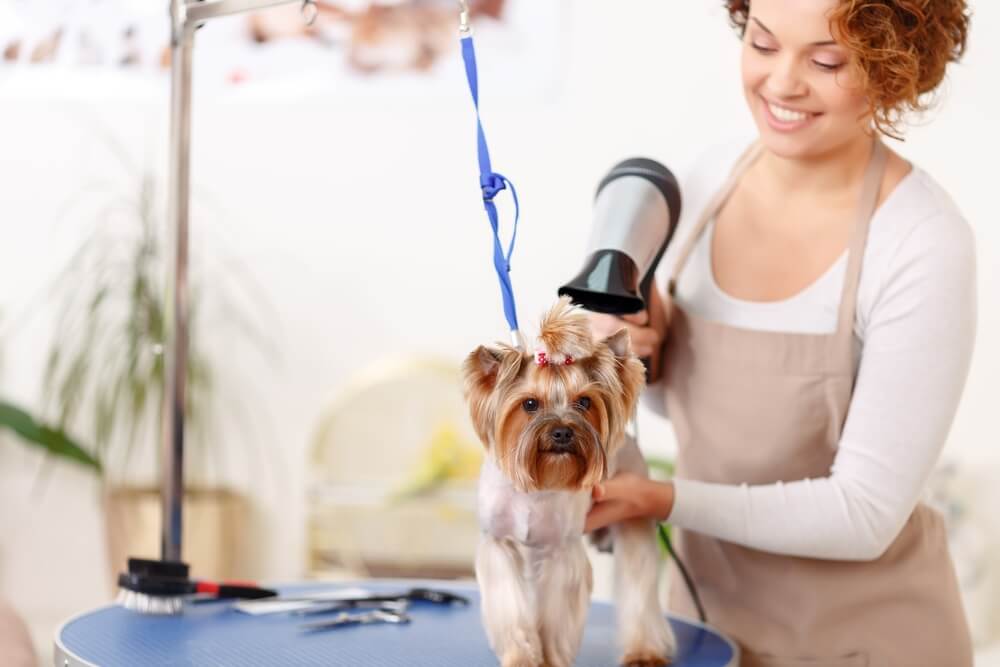
Why Choose a Career in Pet Grooming
If you love animals and want a hands-on career that blends creativity https://cosmos.petuniverse.com/, technical skill, and steady demand, pet grooming is a strong choice. You’ll enjoy daily interaction with animals, turning grooming into a form of pet therapy that calms anxious pets and builds trust with owners. You can shape your schedule, choose clients, and scale from solo work to a boutique or mobile service, which supports the freedom you want. The field rewards consistent quality, so focusing on professionalism delivers career longevity and steady referrals. You’ll offer a visible, valuable service that communities rely on. Choosing grooming means committing to animal welfare, client communication, and dependable service—practical pillars that sustain both income and independence over the long term.
Essential Skills and Tools to Master
Because grooming combines hands-on care, animal handling, and customer service, you’ll need a compact toolkit of practical skills and reliable equipment to do the job well. You’ll learn to read animal behavior quickly—recognizing stress signals, calming movements, and safe restraint—so sessions stay controlled and humane. Build core technical abilities: bathing, drying, clipping, scissoring, nail trimming, and breed-standard styling. Pair those with sanitary practices and first-aid basics. Invest in dependable tools: clippers, blades, shears, brushes, low-noise dryers, and grooming tables that prioritize safety and efficiency. Develop product knowledge so you choose shampoos, conditioners, and skin treatments that suit coat types and sensitivities. Mastering these skills and tools gives you freedom to work confidently, create consistent results, and earn client trust.
Finding and Evaluating Certification Programs
When you’re ready to formalize your skills, choosing the right certification program matters because it shapes your credibility, practical training, and career options; prioritize programs that balance hands‑on experience with industry-recognized standards, transparent curriculum, and clear assessment methods. Look for providers affiliated with respected industry associations and those that require ongoing continuing education so your credential stays current. Verify instructor qualifications, student-to-trainer ratios, and whether assessments test real-world tasks. Check graduate success metrics, recertification policies, and how portable the credential is across regions. Ask about job-placement support and networking opportunities without compromising your independence. Compare costs, schedules, and refund policies, then pick the program that best aligns with your goals, learning style, and desire for professional freedom.

Gaining Hands-On Experience and Building a Portfolio
Now that you’ve chosen a certification path, get out there and start practicing on real pets — nothing replaces hands‑on work for sharpening technique, speed, and animal handling. Seek placements at volunteer clinics to gain varied experience and build confidence without immediate pressure. Work with multiple sizes, coats, and temperaments; document each session with clear before-and-after photos and concise notes on tools, time, and challenges. Include examples of breed specific grooming to show mastery of distinct cuts and standards. Ask for feedback from supervisors and pet owners, then refine techniques. Keep a digital portfolio that’s easy to update and share. This practical record proves your competence and readiness while preserving the freedom to shape your own professional style.
Starting Your Business and Attracting Clients
Having built hands‑on skills and a strong portfolio, it’s time to turn your craft into a business that attracts steady clients. Decide whether you’ll operate a salon, offer mobile grooming, or both; each gives flexibility and different startup costs. Register your business, set clear pricing, and invest in reliable equipment. Create a simple schedule and cancellation policy so your time stays yours. Use social media to showcase before-and-after photos, client testimonials, and short grooming tips — post consistently and engage with followers. Network with vets, shelters, and pet stores for referrals and offer introductory discounts or package deals to build repeat customers. Track expenses, review bookings weekly, and adapt services to what clients value most.
Conclusion
You’ve got the roadmap—now take the next step. Choose a certification that matches your goals, master essential skills and tools, and get plenty of hands-on practice to build a strong portfolio. Keep learning, network with other professionals, and use smart marketing to attract clients. Stay patient and professional as you grow your reputation. With commitment and consistent effort, you’ll build a rewarding, reliable career as a certified pet groomer.


