
Explore the intricate world of veterinary hospitals, where the convergence of cutting-edge science and compassionate care comes together to heal our beloved animal companions pet hospital.
From evolution in veterinary medicine to state-of-the-art diagnostic imaging and surgical techniques, this article delves into the advancements driving the field forward.
Discover how the integration of technology and innovative pharmacology is revolutionizing patient care, offering hope and healing for our furry friends.
Evolution of Veterinary Medicine
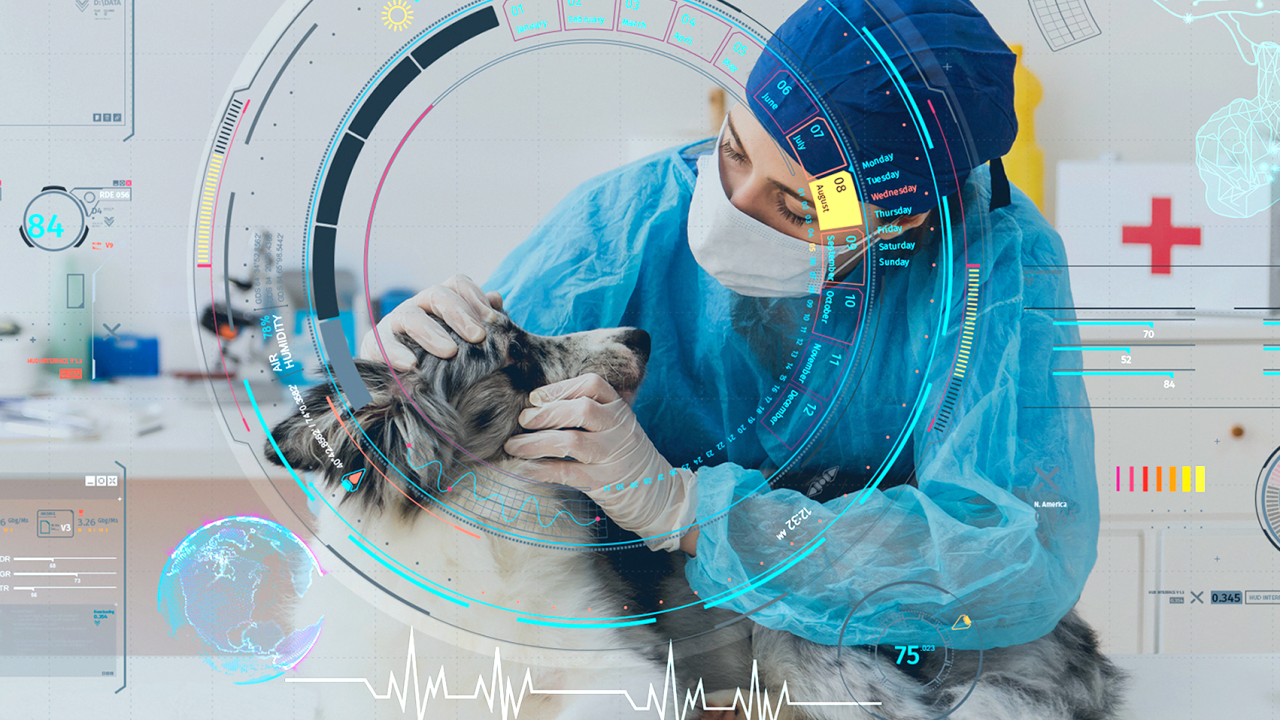
The Evolution of Veterinary Medicine has transformed the field through advancements in research, technology, and clinical practices pet medical centre.
Over the years, veterinary medicine has evolved from primarily treating livestock to encompassing a wide range of animals, including pets like dogs, cats, and exotic species.
Research in areas such as genetics, nutrition, and infectious diseases has led to a deeper understanding of animal health and improved treatment options.
The integration of cutting-edge technologies, such as diagnostic imaging equipment and minimally invasive surgical techniques, has enhanced the accuracy of diagnoses and the effectiveness of treatments.
Additionally, the emphasis on preventive care and client education has shifted the focus towards promoting overall wellness and strengthening the human-animal bond.
Advanced Diagnostic Imaging Techniques
Advanced diagnostic imaging techniques play a crucial role in veterinary medicine, providing veterinarians with detailed insights into the internal health of animals. These advanced technologies, such as magnetic resonance imaging (MRI), computed tomography (CT), and ultrasound, enable vets to visualize internal structures like organs, tissues, and bones with remarkable clarity.
MRI scans use powerful magnets and radio waves to create detailed cross-sectional images, particularly useful for soft tissue evaluation. CT scans combine X-rays from multiple angles to produce detailed 3D images, aiding in the detection of fractures or tumors. Ultrasound, utilizing high-frequency sound waves, allows real-time visualization of organs and blood flow.
These imaging techniques help veterinarians diagnose conditions accurately, leading to more effective treatment plans and improved outcomes for animal patients.
Surgical Innovations and Techniques
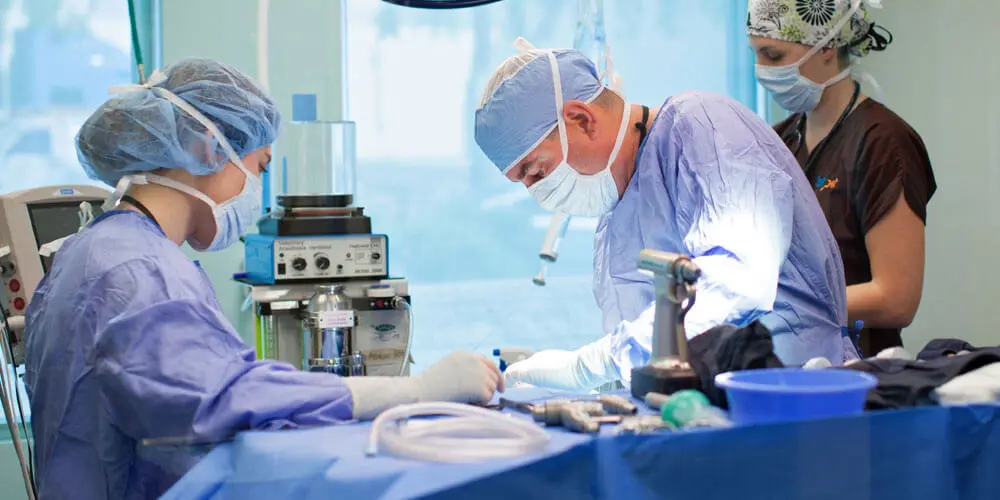
Utilizing cutting-edge surgical innovations and techniques, veterinary hospitals are enhancing treatment outcomes for animal patients. Advanced technologies such as minimally invasive surgery, laser surgery, and robotic-assisted procedures are revolutionizing the field of veterinary surgery. Minimally invasive techniques reduce recovery times, minimize post-operative pain, and lower the risk of complications.
Laser surgery is being used for precision cutting and cauterization, leading to reduced bleeding and faster healing. Robotic-assisted surgery allows for increased precision and control, particularly in delicate procedures. These innovations not only improve the quality of care for animals but also offer pet owners peace of mind knowing that their companions are receiving the best possible treatment.
Veterinary surgeons continue to push boundaries, exploring new techniques to further advance surgical care in veterinary medicine.
Cutting-Edge Pharmacology and Therapeutics
Incorporating cutting-edge pharmacology and therapeutics is essential in enhancing treatment outcomes for animal patients in veterinary hospitals. Advanced pharmaceuticals and therapeutic techniques play a crucial role in managing a wide range of conditions, from chronic diseases to acute injuries, in our beloved animal companions. Veterinary hospitals continuously strive to stay abreast of the latest developments in pharmacology to provide the most effective and compassionate care possible.
Through the utilization of innovative medications, targeted therapies, and personalized treatment plans, veterinarians can tailor interventions to meet the specific needs of each patient. By embracing the latest advancements in pharmacology and therapeutics, veterinary hospitals can optimize the health and well-being of the animals under their care, ultimately improving quality of life and fostering longevity.
Integration of Technology in Patient Care
Veterinary hospitals leverage technology to enhance patient care, ensuring optimal treatment outcomes for our animal companions. Advanced imaging techniques such as MRI and CT scans aid in accurate diagnostics, allowing veterinarians to pinpoint issues swiftly.
Electronic health records streamline patient information, ensuring seamless communication among veterinary staff for coordinated care. Telemedicine platforms enable remote consultations, benefiting both rural pet owners and those unable to travel.
Surgical robots provide precision and minimize invasiveness, promoting faster recovery times. Wearable devices monitor vital signs in real-time, offering continuous health tracking even outside the hospital.
With technology seamlessly integrated into patient care, veterinary hospitals can deliver efficient, effective, and compassionate treatment to ensure the well-being of our beloved pets.
Conclusion
In conclusion, the advancements in veterinary medicine have revolutionized the way animals are treated in hospitals.
With the evolution of diagnostic imaging techniques, surgical innovations, pharmacology, and technology integration, veterinary hospitals are able to provide top-notch care for their patients.
These advancements have not only improved the quality of care for animals, but have also contributed to the overall well-being and health of our furry companions.


